






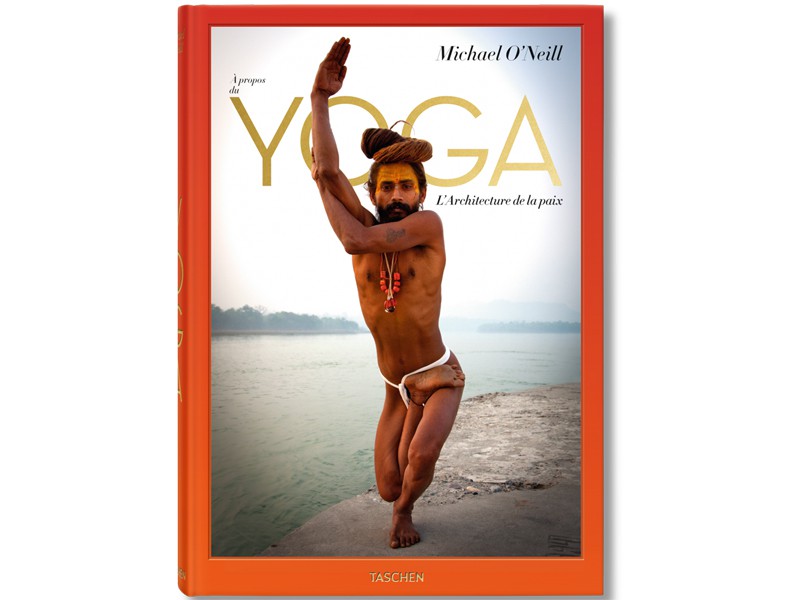



About yoga: The architecture of peace
Michael O'Neil
Reference : LIVR_YOGA_ARCHIT
N° : 1450
This product is unfortunately no longer part of our catalog.
You will find suggestions of equivalent products in our category Yoga Books !
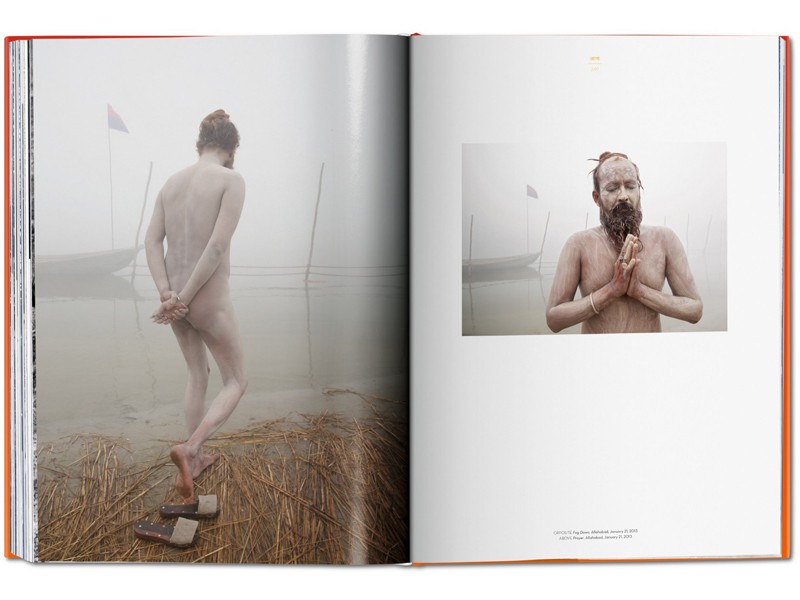
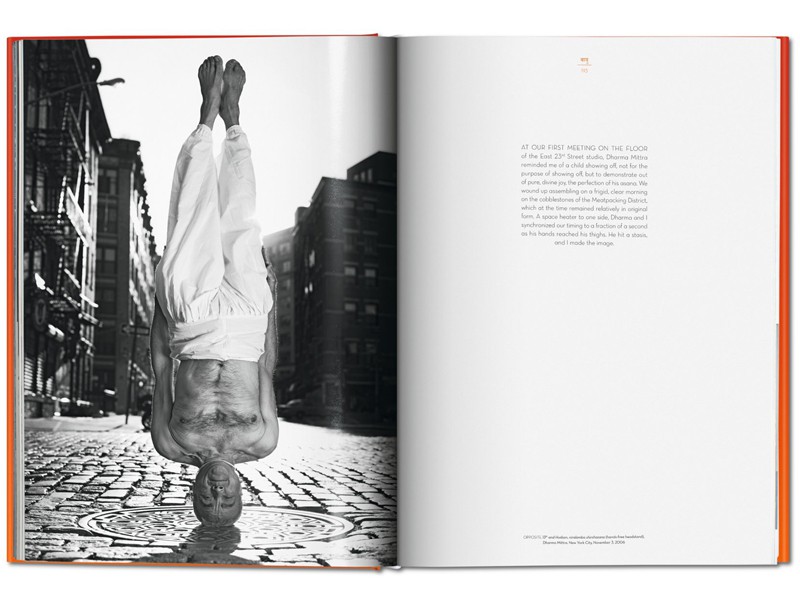
It took yoga several thousand years to spread from a handful of monasteries scattered throughout the Himalayas to cities around the world. Not hesitating to bathe in the Ganges among the sadhus or to join thousands of voices chanting mantras, the photographer Michael O'Neill decided to devote himself fully and to testify to the richness of this discipline reached a turning point in its history. The result is a powerful photographic tribute to this ancestral tradition that has become a worldwide phenomenon, with more than 250 million followers united in this corporal, spiritual and meditative practice around the world.
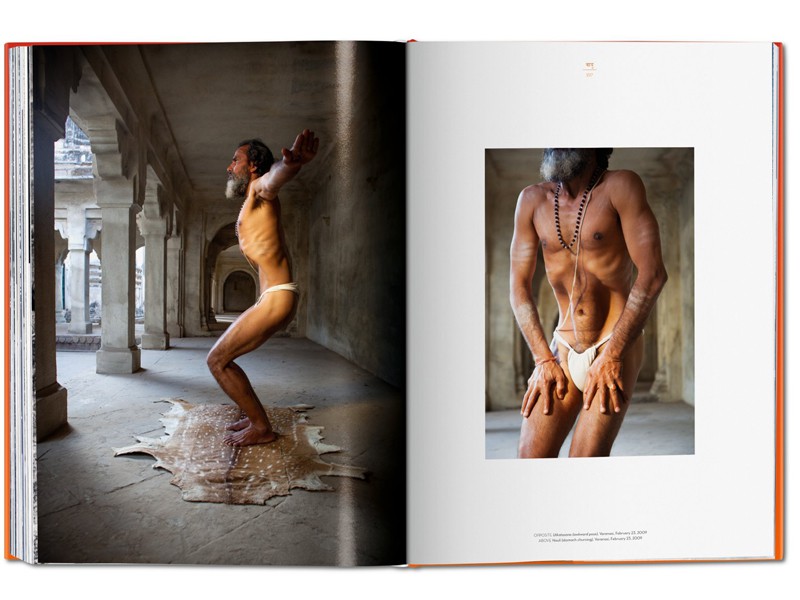
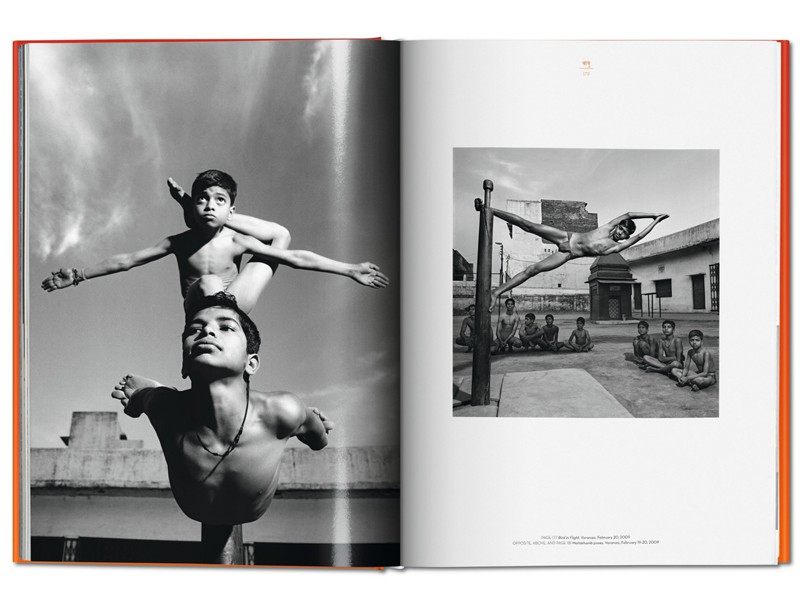
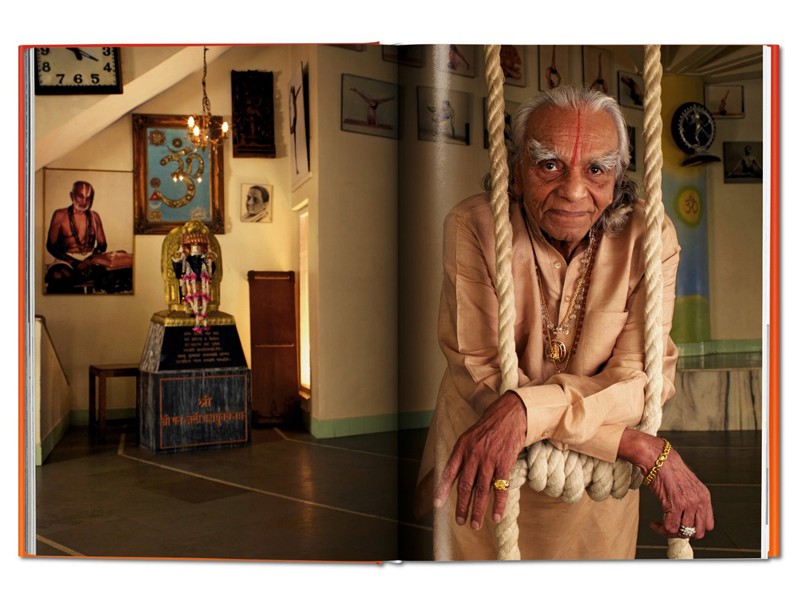
Renowned for his celebrity portraits, Michael O'Neill first photographed the most influential yogis of our time - BKS Iyengar, Shri K. Pattabhi Jois, TKV Desikachar, Rodney Yee, Colleen Saidman, Gurmukh Kaur Khalsa - as well as personalities who have integrated yoga into their high profile lives, such as Donna Karan, Sting and Trudie Styler. It was a chance for him to honor the great masters and to associate his passion for photography with his new passion for yoga and meditation. But deepening his practice, he felt the need to go beyond personalities and postures to take an interest in the roots of yoga. For ten years, he ventured away from the traditional hotspots of yoga to meditate with the monks on the Tibetan plateau, live under the tents of the sadhus during the Kumbh Mela or marvel at the little known discipline of the mallakhamb, practiced on Kochi's battlefields. "I wanted to pay tribute to the classic yoga tradition and immortalize this pivotal period before it fades," he says.
Now assembled for the first time in a single volume, this extraordinary book tells the story of yoga in an original way, with nearly 200 photographs mostly unpublished. Two of Michael O'Neill's most revered subjects, His Holiness Swami Chidanand Saraswatiji, Master of Meditation, and Eddie Stern, Guru of Ashtanga Yoga, provide input through essays on the role of yoga in contemporary culture. history of practice since the time of Patanjali and the healing virtues of what Michael O'Neill calls "the architecture of peace ... a series of postures that bring us closer to the infinite".
Hardcover - 38cm x 27.5cm - Illustrations
290 pages
Author: Michael O'Neill
Taschen Editions
The first lines
THE PATH OF THE UNION
S. Swami Chidanand Saraswatiji
In Sanskrit, the word yoga means "union". It designates the union of the small individual entity with the supreme, infinite and divine whole. The path of yoga is the path of union: the union of the breath and the body, the mind and the muscles, the body and the mind and, ultimately, the creation and the creator. Thus, although asana (physical postures) is a fundamental aspect of yoga and - for certain lineages - the means by which union is realized, asana becomes yoga only if it leads to spiritual union and not just flexibility, strength and agility.
Science aimed at perfect self-realization, yoga was born in the Himalayas and was sensed, channeled, practiced and perfected by the saints, sages and rishis who dedicated their lives to the abolition of the boundaries between the individual and the world. 'infinite. The great sage Patanjali and other masters of yoga have codified these practices into a system that can be understood, assimilated and applied by people from all walks of life.
Yoga has been practiced in India since time immemorial. In addition to the exercises on the body and breathing, the traditional practice of Indian yoga includes acts of worship and devotion, selfless services or seva, as well as the pursuit of wisdom and understanding. In essence, yoga encompasses all threads woven into the fabric of our lives. Prayers and worship form bhakti yoga. Reading and listening to the writings or comments of great thinkers is jnana yoga. Virtuous actions, whether professional or voluntary, are karma yoga. The principles in the sutras provide a framework for making every aspect of our daily lives an opportunity to unite with the divine.
It is wonderful to see the science of yoga burgeoning and flourishing all over the world. You can take yoga classes in almost any city in any country in the world. Alas, by spreading like this, yoga loses something of its essence. Yoga is not synonymous with asana; the asana is one of the eight members of yoga stated by Patanjali. Asana is the practice whereby the body becomes the means of attaining enlightenment, achieving supreme peace and bliss.
Books on yoga, especially photographic works, are usually content to show the beauty, strength, and posture of asana. They are full of images of elegant postures, models of balance and grace. But what shines by its absence in most of these images is the experience of the union: the union between